
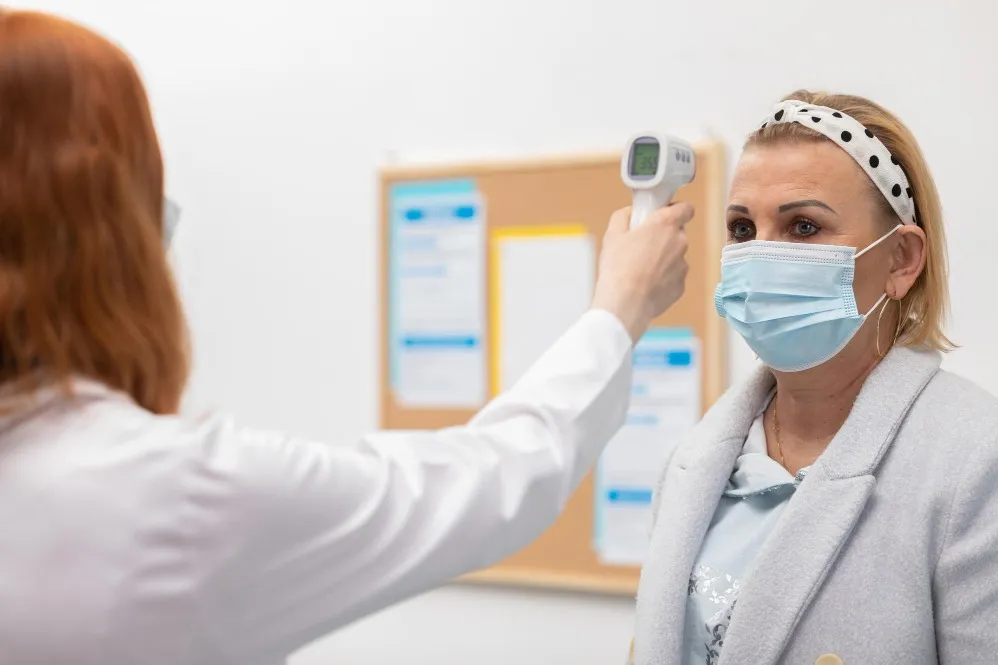
A fever is one of the body's natural responses to infection, but not every fever is harmless. While mild viral illnesses often improve with rest and hydration, persistent or high-grade fever can sometimes indicate bacterial infections, respiratory illnesses, urinary tract infections, dengue, typhoid, malaria, or other medical conditions that require timely diagnosis. Knowing when to consult a Fever and Infection Specialist can help prevent complications and ensure faster recovery.
Ignoring prolonged fever or relying solely on self-medication may delay appropriate treatment and increase the risk of serious health problems.
Understanding Why Fever Happens
Fever is a rise in body temperature caused by the immune system responding to infections or inflammation. It is a symptom rather than a disease itself, making it important to identify the underlying cause instead of simply reducing the temperature.
Common causes of fever include:
- Viral infections
- Bacterial infections
- Influenza
- COVID-19
- Dengue
- Malaria
- Typhoid
- Pneumonia
- Urinary tract infections
- Skin and soft tissue infections
A thorough medical evaluation helps determine whether the illness requires antibiotics, antiviral medications, supportive care, or further investigations.
Signs That Should Prompt a Medical Consultation
Not every fever requires emergency care, but certain symptoms should never be ignored.
Seek medical attention if you experience:
- Fever lasting more than two or three days
- Temperature above 103°F (39.4°C)
- Difficulty breathing
- Persistent cough with mucus
- Severe sore throat
- Chest pain
- Confusion or unusual drowsiness
- Persistent vomiting
- Severe dehydration
- Skin rashes accompanied by fever
- Burning sensation during urination
Children, older adults, pregnant women, and individuals with chronic illnesses should seek medical advice even earlier, as infections can progress more rapidly in these groups.
Why Self-Medication Can Be Risky
Many people begin antibiotics without consulting a doctor. This approach can be harmful because antibiotics are effective only against bacterial infections and have no benefit for most viral illnesses.
Improper antibiotic use may lead to:
- Antibiotic resistance
- Delayed diagnosis
- Medication side effects
- Masking of serious illnesses
- Increased treatment complexity later
Accurate diagnosis ensures that treatment is both safe and effective.
How Specialists Diagnose the Cause of Fever
A physician evaluates several factors before recommending treatment.
The assessment may include:
- Detailed medical history
- Physical examination
- Blood investigations
- Urine analysis
- Chest X-ray if respiratory infection is suspected
- Dengue, malaria, or typhoid testing when clinically indicated
- Additional imaging or cultures for persistent infections
This systematic approach helps identify the exact cause rather than treating symptoms alone.
Preventing Common Infections
Although infections cannot always be avoided, several preventive measures reduce the risk significantly.
Simple habits include:
- Washing hands regularly
- Drinking safe, clean water
- Eating freshly prepared food
- Maintaining vaccination schedules
- Managing chronic illnesses effectively
- Avoiding unnecessary antibiotic use
- Seeking early medical advice when symptoms worsen
People with diabetes, heart disease, or weakened immunity should be particularly cautious, as infections may become severe more quickly.
Early Diagnosis Leads to Better Recovery
Prompt evaluation allows treatment to begin before complications develop. Many infections respond well when identified early, reducing recovery time and minimizing the likelihood of hospitalization.
For individuals in Pune, timely consultation with an experienced physician can make a significant difference in managing infections safely. At HealNext Clinic, patients receive comprehensive evaluation, evidence-based treatment, and careful follow-up to ensure that fever and infectious illnesses are diagnosed accurately and managed effectively.
Keywords