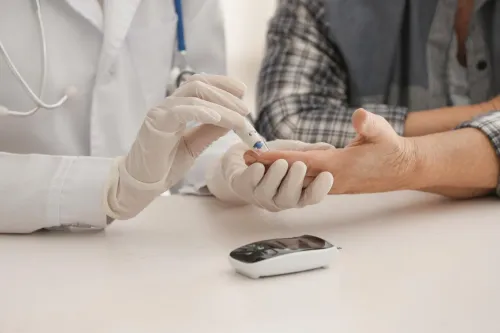

The right centre for cardiac or respiratory recovery must do more than supervise exercises or provide hands-on treatment. Use the checks below to compare clinical expertise, safety systems, measurable progress, and the support available after supervised sessions end.
Key takeaways
- Choose a centre that assesses medical risk before cardiac or pulmonary exercise.
- Confirm a qualified clinician leads your assessment and writes your treatment plan.
- Ask how staff monitor vital signs and respond to emergencies during sessions.
- Request measurable goals, progress reviews and a plan for exercise at home.
Does the centre treat cardiac and respiratory recovery, not just musculoskeletal injuries?
A centre is equipped for cardiac rehabilitation or pulmonary rehabilitation only if it assesses medical risk before exercise and treats the disease-related limits, not just pain or reduced movement.
Ask whether its programme includes:
- A medical referral and review of your diagnosis, symptoms, medicines, recent investigations, resting heart rate, blood pressure, oxygen saturation, and exercise tolerance.
- Individualised cardiac rehabilitation with supervised exercise plus cardiovascular-risk management, nutrition counselling, psychological screening, smoking-cessation support, and preventive-medicine review.
- Pulmonary rehabilitation that addresses breathlessness and exercise limitation through aerobic and resistance training, breathing strategies, education, and self-management—not chest clearance alone or passive treatment.
- Oxygen-saturation monitoring during exertion, with a clear explanation of how an existing oxygen prescription is followed and when a clinician reviews it. Oxygen should not be started or increased simply because you feel breathless.
- Experience with conditions beyond COPD, including interstitial lung disease, bronchiectasis, pulmonary hypertension, and post-hospitalisation deconditioning, with referral for specialist review when needed.
- Written stop criteria, a process for missed sessions or worsening symptoms, and communication with your referring clinician.
A generic exercise class is not cardiac or pulmonary care. The best physiotherapy centre can show who leads respiratory recovery, what equipment and monitoring are available, and how the programme changes when your symptoms or test results change.
Who is responsible for your assessment and treatment plan?
Before you begin exercise, a physiotherapist should assess you under physician supervision, with the treatment plan agreed with the appropriate medical specialist. Ask about the team’s physiotherapist qualifications and who can change exercise, investigate symptoms, or stop training.
The pre-exercise review should cover:
- Your diagnosis, recent hospitalisation, procedures, symptoms, and current exercise tolerance
- All medicines, including beta-blockers, inhalers, oxygen, anticoagulants, and drugs affecting blood pressure or heart rate
- Recent ECG, echocardiogram, pulmonary function test, imaging, blood results, exercise test, or cardiopulmonary exercise test
- Resting heart rate, blood pressure, oxygen saturation, breathlessness, chest symptoms, balance, strength, and functional capacity
- Warning signs or conditions that require medical clearance before training
| Professional | What they should review or manage |
|---|---|
| Physiotherapist | Perform the functional assessment, prescribe and progress exercise, and check movement, strength, balance, breathlessness, and symptoms. |
| Physician | Confirm medical stability, review investigations and medicines, and define when exercise must be modified or stopped. |
| Cardiologist | Guide patients with recent cardiac events, heart failure, arrhythmia, complex coronary disease, or abnormal blood-pressure responses. |
| Pulmonologist | Provide pulmonologist guidance when respiratory disease, pulmonary hypertension, oxygen needs, or unexplained desaturation affects training. |
| Nurse or exercise physiologist | Support monitoring, education, and session safety within the physician-approved plan. |
| Dietitian | Address nutrition, weight, diabetes, and cardiovascular-risk goals when these affect recovery. |
A generic class is not an adequate treatment plan. The centre should explain who reviews your results, who handles escalation, and when reassessment occurs.
What safety monitoring and emergency response should you expect?
Before exercise, the centre should record resting and exercise heart rate, blood pressure, oxygen saturation, symptoms, workload, and recovery. Higher-risk cardiac patients need ECG telemetry during sessions, while pulmonary patients need oxygen saturation checks during exertion and recovery, with symptoms recorded rather than dismissed as poor fitness.
Ask to see a written emergency plan. It should specify who stops the session, who calls emergency services, where the automated external defibrillator (AED) is kept, and how staff document and communicate the event. Staff supervising cardiopulmonary rehabilitation should hold current cardiopulmonary resuscitation (CPR) training.
Warning signs should trigger an immediate, defined response:
- Chest pain: stop exercise, assess promptly, provide urgent medical review, and activate emergency services when symptoms suggest an acute cardiac event.
- Fainting or collapse: protect the patient, check responsiveness and breathing, begin CPR and use the AED if indicated.
- Severe breathlessness or cyanosis: stop exercise, assess airway and oxygenation, and escalate urgently rather than simply increasing oxygen.
- Palpitations with dizziness, chest discomfort, or an abnormal ECG: stop exercise and obtain medical assessment.
- Desaturation: stop or reduce exertion, recheck the reading, and follow the prescribed oxygen and escalation plan.
- An excessive blood pressure rise, a fall during exertion, or delayed recovery: stop exercise and seek clinical review.
Oxygen should not be started or increased without documented oxygenation and a clinician’s prescription. Ask how the team handles transfers to emergency care; vague reassurance is not a safety system.
How will the centre individualise exercise and prove that you are improving?
A centre should prescribe exercise from your baseline findings and change it as your response changes, not place you in a generic class. Intensity should reflect symptoms, heart-rate and blood-pressure responses, functional capacity, medicines such as beta-blockers, and an exercise test or cardiopulmonary exercise test when indicated.
Age-predicted maximum heart rate alone is not a safe prescription for everyone.
Each session should have a documented purpose: warm-up, aerobic or strength work, symptom-guided progression, recovery, and a review of your response. Ask how staff use perceived exertion and breathlessness scores to adjust speed, resistance, duration, rest periods, or oxygen support. A low patient-to-therapist ratio matters when several patients need different monitoring or exercise modifications.
- Ask what will be measured at baseline and follow-up: six-minute walk test or another validated functional test, exercise workload, oxygen saturation, blood pressure, dyspnoea, fatigue, and your activity goals.
- Ask when formal reassessment occurs and what result would trigger a programme change.
- Ask how the team records worsening symptoms, missed sessions, or reduced tolerance and communicates important changes to your referring clinician.
Attendance is not proof of recovery. Improvement should appear in test results, daily activities, symptoms, and goals you chose. At HealNext Clinic Baner, Pune, use this checklist to judge whether “personalised” means recorded decisions and visible progression rather than a different class label.
Related services
Respiratory Rehabilitation Respiratory Rehabilitation in Baner, Pune Patients with chronic respiratory conditions such as COPD, ILD, or post-COVID weakness need ongoing support to manage breathlessness, fatigue, and... View service → |
COPD Rehabilitation COPD Rehabilitation in Baner, Pune Living with Chronic Obstructive Pulmonary Disease (COPD) can make daily activities challenging. View service → |
What support continues after supervised sessions?
Ask what happens after the last supervised appointment, not only how sessions are delivered. The answer should include a written handover, a named contact, a review date, and a safe transition to a home exercise plan or maintenance exercise. If staff cannot explain who follows you and when, rehabilitation ends too early.
Check whether the centre:
- Provides nutrition counselling with specific goals and follow-up, rather than handing you a generic diet sheet.
- Reviews preventive and symptom medicines with the prescribing clinician and reports problems such as dizziness, low blood pressure, or medication-related exercise limits.
- Screens for anxiety, depression, or fear of exertion and arranges psychological support when needed.
- Coordinates smoking cessation, weight management, diabetes care, and other chronic disease management through risk-factor management or a named referral.
- Calls or messages you after missed sessions and investigates repeated absence instead of recording it only as non-attendance.
- Gives written stop criteria for worsening symptoms and a route to contact the centre, referring clinician, or emergency service.
Ask how changes are communicated to your cardiologist, pulmonologist, or primary-care clinician. Physician oversight becomes particularly important when symptoms change, medicines are adjusted, or exercise tolerance falls. Before discharge, request a progression schedule, warning signs to report, and a date for reassessment so independent exercise remains safe rather than becoming an unsupported handoff.
Frequently asked questions
Does a rehabilitation centre need to treat cardiac and respiratory conditions?
Yes. Cardiac or pulmonary rehabilitation requires medical risk assessment and treatment of disease-related limits, not pain or reduced movement alone.
Who should assess me and create my treatment plan?
Ask which qualified clinician performs the assessment, reviews your medical history and takes responsibility for your treatment plan.
What safety monitoring should I expect during rehabilitation?
Ask whether staff monitor vital signs such as heart rate, blood pressure, oxygen saturation and symptoms during exercise, and what emergency response they follow.
How should a centre individualise exercise and measure improvement?
The centre should set goals from your assessment, adjust exercise to your response and repeat measurable tests or reviews to document progress.
What support should continue after supervised rehabilitation sessions?
Expect a home exercise plan, guidance on risk-factor management, progress reviews and clear instructions for when to contact your clinician.
Related services
Cardiac Rehabilitation Cardiac Rehabilitation in Baner, Pune Cardiac Rehabilitation at HealNext Clinic, Baner At HealNext Clinic, Baner, our Cardiac Rehabilitation Program is designed to help patients recover,... View service → |
Post-Valve Replacement Rehabilitation Post-Valve Replacement Rehabilitation in Baner, Pune Patients recovering from valve replacement surgery need structured rehabilitation to strengthen the heart and improve lung function. View service → |
Post-Angioplasty Rehabilitation Post-Angioplasty Rehabilitation in Baner, Pune After angioplasty or stent placement, patients often face fatigue, reduced endurance, and lifestyle uncertainties. View service → |
Post-CABG (Bypass Surgery) Rehabilitation Post-CABG (Bypass Surgery) Rehabilitation in Baner, Pune Recovery after Coronary Artery Bypass Grafting (CABG) is a critical phase where the heart and lungs need guided care to regain strength. View service → |