
Leaving an intensive care unit can be a major milestone, but discharge does not necessarily mean that recovery is complete. Patients may return home with weakness, reduced mobility, altered medications, breathing difficulties, fatigue, or multiple follow-up requirements. An ICU Care Specialist can help evaluate complex medical needs during the transition from acute hospital treatment to ongoing recovery.
For families in Balewadi, knowing what to look for in post-ICU care can make the transition less confusing.
Start With the Discharge Summary
The hospital discharge summary is one of the most important documents after an ICU stay. It can provide details about the diagnosis, treatment received, complications, procedures, medications, and recommended follow-up.
Keep this document available during subsequent medical consultations.
A post-discharge assessment should also consider whether the patient has experienced changes in:
- Walking ability
- Muscle strength
- Breathing
- Appetite
- Sleep
- Blood pressure
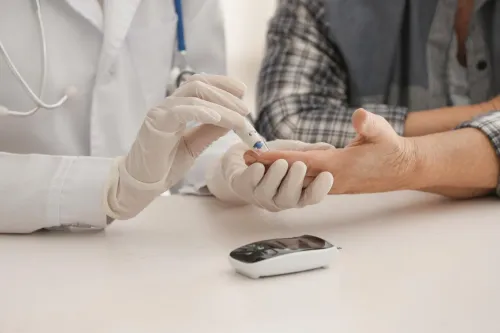
- Blood glucose
- Swelling
- Mental alertness
- Ability to perform daily activities
These observations help healthcare professionals understand how recovery is progressing.
Look for Coordination Between Medical Care and Rehabilitation
After a prolonged hospital stay, recovery may involve more than medication management.
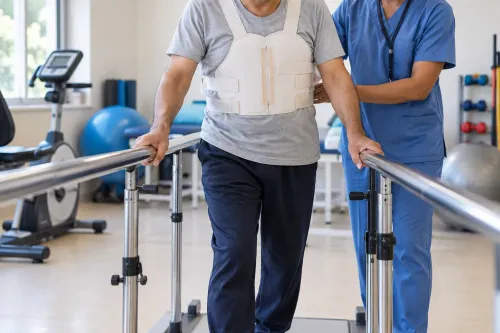
Some patients require physiotherapy because prolonged bed rest can contribute to weakness and loss of conditioning. Others may need cardiorespiratory rehabilitation because heart or lung disease was involved in their admission.
A useful post-ICU care plan should therefore recognise when medical review and rehabilitation need to work together.
Medication Review Is Essential
ICU patients may have medicines added, stopped, or adjusted during hospitalisation.
After discharge, patients and caregivers should understand which medicines are currently required and how they should be taken. They should not restart older prescriptions independently unless advised by the treating clinician.
A physician can review the discharge medication list and help identify questions that need clarification from the hospital team or relevant specialist.
Ask How Progress Will Be Monitored
Post-ICU recovery can vary considerably. Some people regain strength relatively quickly, while others need a longer rehabilitation period.
Before selecting ongoing care, ask how progress will be assessed. Depending on the condition, monitoring may include functional ability, symptoms, vital signs, exercise tolerance, and relevant medical investigations.
There should also be a clear process for recognising deterioration.
Understand the Limits of Outpatient Care
An outpatient ICU Care Specialist does not replace emergency or hospital-based intensive care.
New severe chest pain, significant breathing difficulty, fainting, confusion, rapidly worsening symptoms, or another acute medical emergency requires urgent medical assessment rather than a routine rehabilitation appointment.
This distinction is essential when choosing any post-discharge service.
Consider the Patient's Main Recovery Needs
The most suitable follow-up setting depends on why the person required intensive care in the first place.
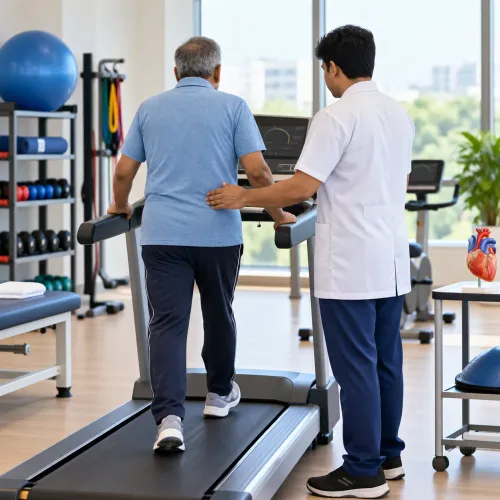
A patient recovering after cardiac surgery may need cardiac rehabilitation. Someone recovering from a serious respiratory illness may benefit from pulmonary rehabilitation. Another patient may primarily need physician follow-up and progressive mobility training.
HealNext Clinic provides physician support alongside cardiac and cardiorespiratory rehabilitation, allowing appropriate patients to receive coordinated outpatient care during recovery.
Choose Care That Matches the Clinical Situation
When evaluating an ICU Care Specialist, families should focus on clinical assessment, communication, rehabilitation coordination, medication review, and clear escalation guidance rather than convenience alone.
Post-ICU recovery is rarely identical for two patients. The right plan should reflect the original illness, current symptoms, physical limitations, and specialist recommendations.
A structured transition can help patients and families understand what recovery involves, what progress may look like, and which changes require further medical attention.
Keywords