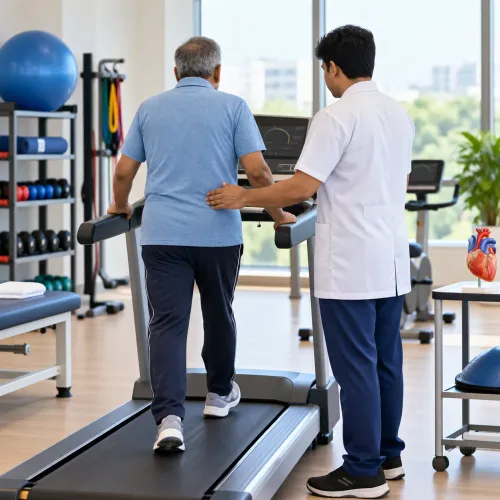
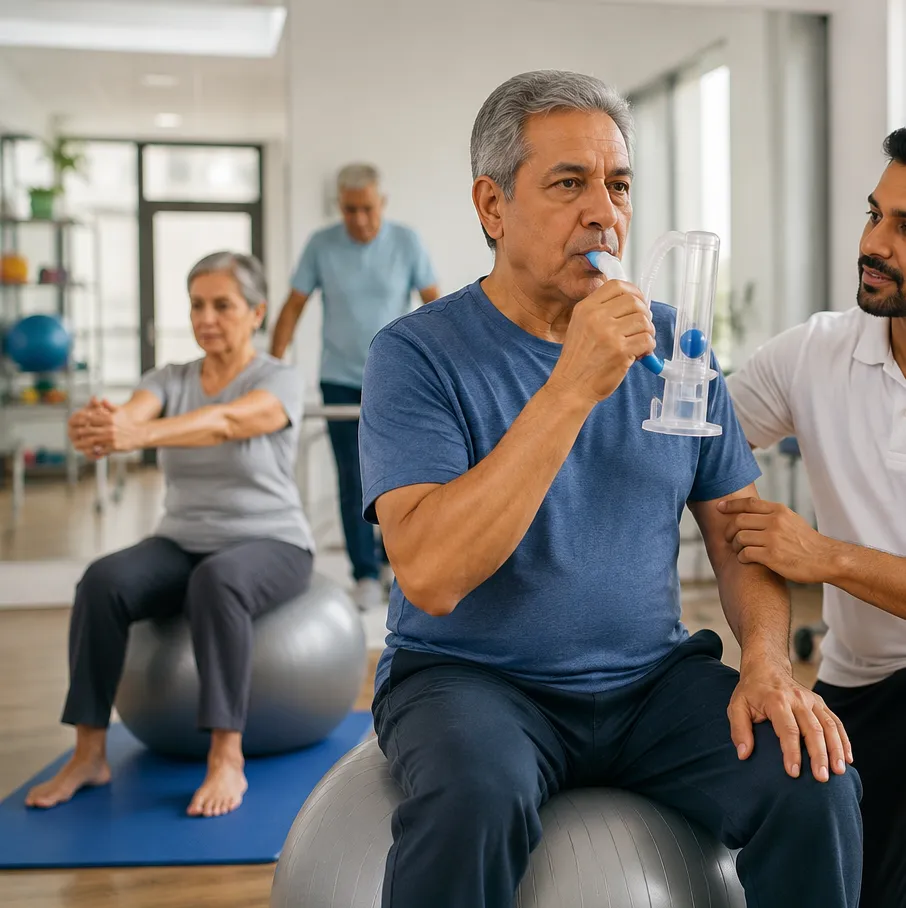
Living with persistent breathlessness can make ordinary activities such as walking, bathing, climbing stairs, or completing household tasks unexpectedly demanding. Pulmonary rehabilitation is a structured approach designed to help suitable patients with chronic respiratory limitations improve functional capacity, understand their condition, and manage daily activities more effectively.
For patients in Balewadi, rehabilitation can form part of continuing care after respiratory illness or when a chronic lung condition affects everyday independence.
What Happens During Pulmonary Rehabilitation?
Pulmonary rehabilitation is more than general exercise. A rehabilitation programme is typically planned after assessing the person's symptoms, medical history, physical capacity, and respiratory limitations.
Depending on individual needs, it may include:
- Supervised physical conditioning
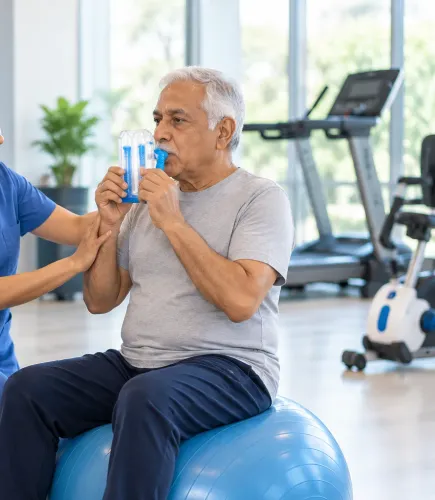
- Breathing exercises
- Respiratory physiotherapy
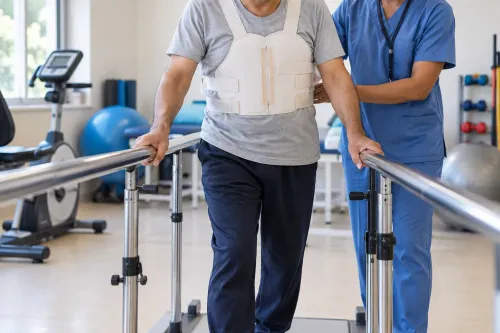
- Functional mobility training
- Energy-conservation techniques
- Education about symptom management
- Guidance for maintaining appropriate activity at home
The exact programme varies because two people with the same diagnosis may have very different exercise tolerance and recovery needs.
Why Breathlessness Can Lead to Reduced Activity
People who become breathless during activity may naturally begin avoiding exertion. While this may feel safer initially, prolonged inactivity can contribute to physical deconditioning.
As muscles become less accustomed to activity, even relatively simple tasks can feel harder. This can create a cycle in which breathlessness leads to inactivity and inactivity makes physical activity increasingly difficult.
Appropriately supervised rehabilitation aims to address this cycle gradually.
Who May Be Considered for Respiratory Rehabilitation?
Pulmonary rehabilitation may be considered for selected people living with chronic respiratory disease or recovering from significant respiratory illness. Suitability depends on clinical status and should be determined by qualified healthcare professionals.
A rehabilitation assessment may look at walking ability, breathing pattern, fatigue, oxygen saturation where clinically appropriate, strength, balance, and how symptoms affect daily routines.
Patients recently discharged from hospital may require additional medical clearance before increasing activity.
Breathing Techniques Are Only One Part
Breathing exercises can be useful, but effective respiratory rehabilitation generally looks beyond breathing technique alone.
Patients may need help learning how to pace activities, take appropriate rest periods, recognise symptom changes, and gradually improve physical conditioning. Education can also help people understand when breathlessness is expected during activity and when a change in symptoms requires medical attention.
This distinction is particularly important for patients who also have cardiovascular conditions.
Rehabilitation Should Be Individualised
Following a generic online exercise routine may not account for oxygen requirements, cardiac history, medications, recent hospitalisation, musculoskeletal limitations, or the severity of respiratory disease.
At HealNext Clinic, cardiorespiratory physiotherapy can be integrated with medical assessment where appropriate. This allows rehabilitation planning to consider both respiratory limitations and broader cardiovascular health.
Progress should generally be gradual rather than based on trying to reach a predetermined exercise target quickly.
Building Confidence in Everyday Movement
One meaningful goal of Pulmonary rehabilitation is helping patients participate more comfortably in daily life. Improvement may be reflected in greater walking tolerance, better pacing, increased confidence with routine activities, or improved understanding of symptom management.
Results vary according to diagnosis, disease severity, consistency, and overall health.
For people managing long-term respiratory limitations, rehabilitation is best viewed as part of ongoing disease management rather than a quick fitness programme. With appropriate assessment and professional supervision, patients can work toward safer activity, improved physical conditioning, and greater confidence in managing everyday breathing challenges.
Keywords