Angioplasty can restore blood flow through a narrowed coronary artery, but the procedure is only one stage of cardiovascular care. After discharge, many patients still need to manage risk factors, understand medicines, regain confidence in physical activity, and return gradually to normal routines. A Post angioplasty rehabilitation centre can provide structured support during this phase.
For patients in Pune, evaluating a rehabilitation programme carefully is important because recovery needs depend on the underlying heart condition and overall health, not simply on the fact that angioplasty has been completed.
Rehabilitation Begins With Clinical Review
Before exercise progression, the rehabilitation team should understand why angioplasty was performed and how the patient is recovering.
Relevant information can include the hospital discharge summary, procedure details, current medicines, associated medical conditions, symptoms, and cardiologist recommendations.
This information helps determine whether the patient is ready for rehabilitation and what level of activity may be appropriate.
What Should a Rehabilitation Programme Include?
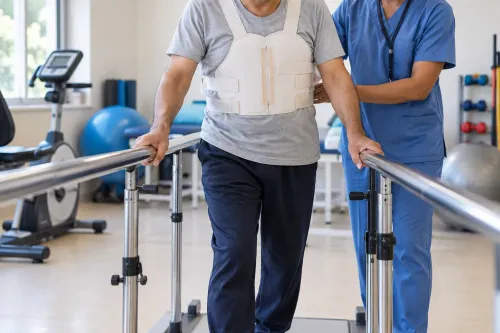
Cardiac rehabilitation is broader than supervised walking.
Depending on individual needs, a structured programme may include:
- Assessment of functional capacity
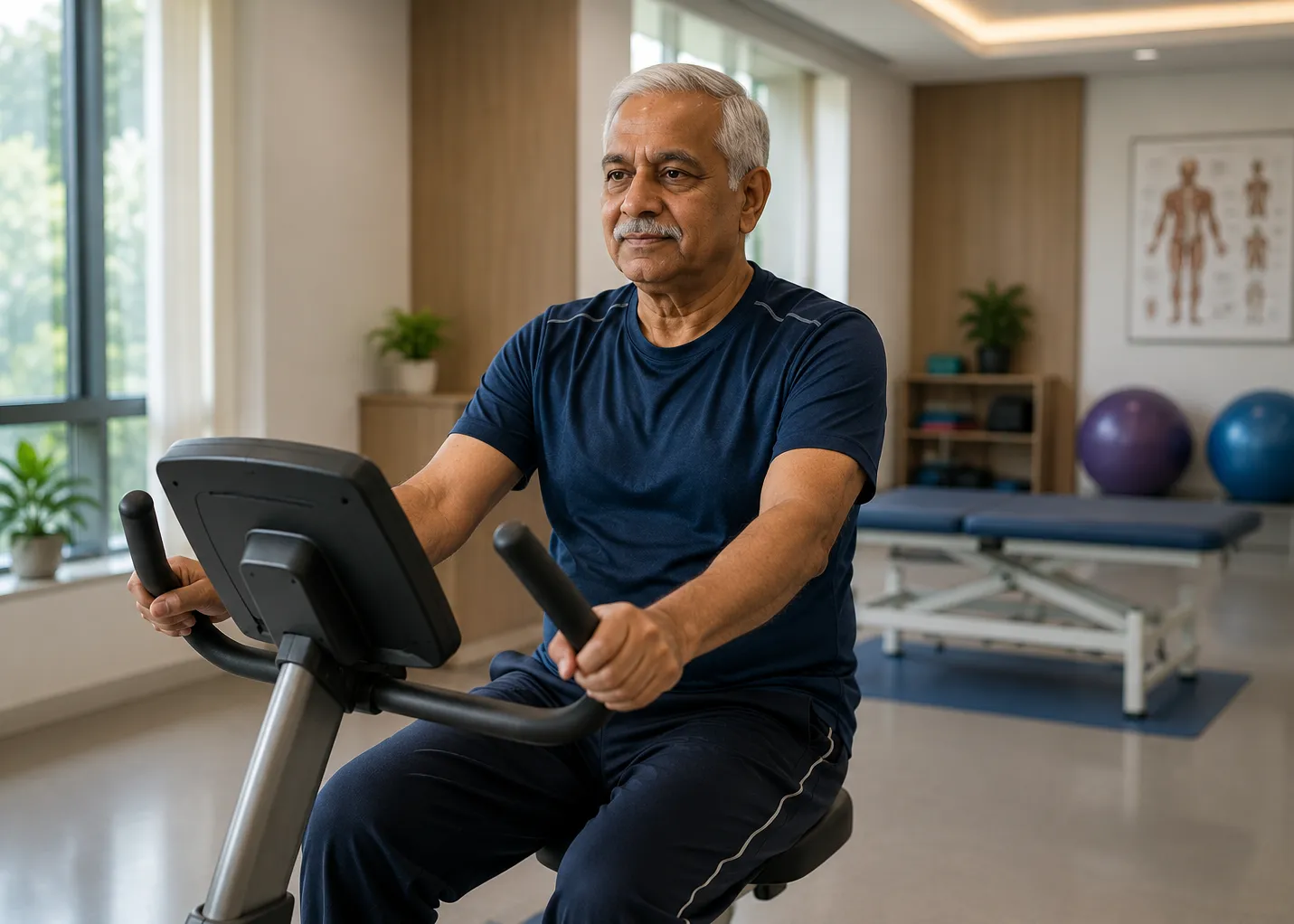
- Gradual aerobic activity
- Strength and mobility exercises where appropriate
- Monitoring during rehabilitation
- Education about cardiovascular risk factors
- Guidance for returning to routine activity
- Support for maintaining regular physical activity
The rehabilitation plan should be modified according to clinical progress rather than following the same schedule for every patient.
Medication Adherence Remains Important
Patients sometimes feel substantially better after angioplasty and assume that the heart problem has been completely resolved.
However, angioplasty does not eliminate the underlying tendency toward coronary artery disease. Medicines prescribed after the procedure may play an important role in ongoing cardiovascular management.
Patients should follow their cardiologist's prescription and discuss side effects or concerns with qualified medical professionals rather than stopping medication independently.
Ask How Exercise Intensity Is Decided
A quality Post angioplasty rehabilitation centre should not base exercise intensity purely on age or a generic fitness chart.
The rehabilitation team may consider symptoms, heart rate response, blood pressure, previous activity levels, associated conditions, and relevant clinical information.
Some patients may require further medical evaluation before progressing to higher exercise intensity.
The goal is controlled progression rather than trying to regain pre-procedure fitness immediately.
Rehabilitation Can Help Address Risk Factors
Cardiac recovery also provides an opportunity to review factors associated with future cardiovascular risk.
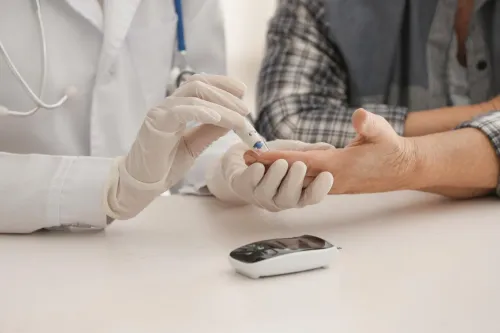
These may include hypertension, diabetes, abnormal cholesterol, tobacco use, excess weight, inactivity, and unhealthy dietary habits.
Managing these factors usually involves cooperation between the patient and relevant medical professionals. Rehabilitation complements this process by supporting appropriate physical activity and long-term adherence to healthier routines.
Watch for Symptoms During Recovery
Patients should receive guidance about symptoms that require medical attention.
Severe or persistent chest discomfort, fainting, marked breathlessness, or rapidly worsening symptoms should not be treated as normal rehabilitation discomfort.
Clear communication about symptom escalation is an important feature of responsible cardiac rehabilitation.
HealNext Clinic provides cardiac rehabilitation and physician-supported preventive care for suitable patients recovering after cardiovascular treatment. Programmes can be planned in the context of the person's current medical status and functional ability.
Recovery Is a Gradual Process
Returning to normal life after angioplasty involves more than waiting for the procedure site to heal. Cardiovascular fitness, confidence, lifestyle habits, medication adherence, and risk-factor management all remain relevant.
Choosing a Post angioplasty rehabilitation centre that emphasises assessment, individualised progression, patient education, and appropriate clinical supervision can help make this stage of recovery more organised.
The most useful rehabilitation programme is not necessarily the most intensive one. It is the programme that appropriately matches the patient's cardiovascular condition and progresses as recovery allows.
Keywords