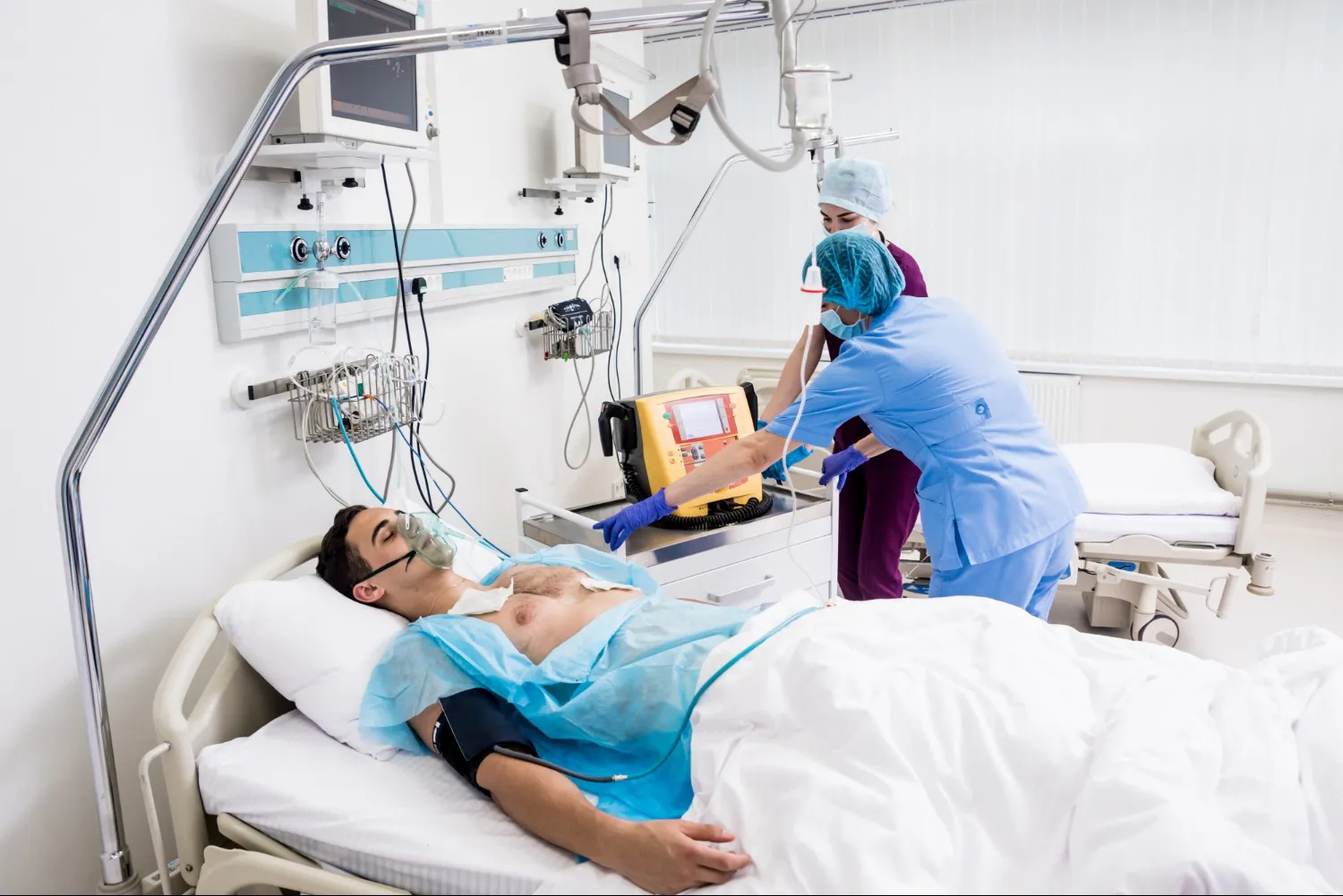
Leaving intensive care is a major milestone, yet discharge from the ICU does not always mean that recovery is complete. Weakness, breathlessness, poor exercise tolerance, sleep disturbance, appetite changes, and difficulty returning to normal activities may continue after a serious illness. An ICU Care Specialist can help assess the medical issues that influence this recovery phase.
Patients in Balewadi, Pune, Maharashtra may need structured follow-up after prolonged ventilation, severe infection, major surgery, cardiac events, or other critical illnesses.
Why Recovery Can Take Time
An ICU stay can affect several body systems. Prolonged bed rest may lead to loss of muscle strength and physical conditioning. Respiratory illness can leave patients with reduced breathing capacity, while major cardiac illness may temporarily reduce exercise tolerance.
Some people recover steadily within weeks. Others need several months, particularly after a long admission.
Recovery time depends on factors such as:
- Severity of the original illness
- Length of ICU stay
- Duration of mechanical ventilation
- Pre-existing medical conditions
- Muscle loss and mobility
- Heart and lung function
- Nutrition
- Age and previous activity level
This is why comparing recovery with another ICU patient is rarely useful.
Medical Assessment After Discharge
An ICU Care Specialist may review the reason for ICU admission, discharge summary, medicines, oxygen needs, current symptoms, blood pressure, heart rate, respiratory status, and relevant investigations.
Persistent symptoms need careful interpretation. Breathlessness, for example, may relate to lung recovery, reduced conditioning, anaemia, heart function, infection, or another medical issue.
The evaluation helps determine whether rehabilitation can progress safely and whether further investigation is needed.
Preparing for Follow Up
Keep the ICU discharge summary, investigation reports, imaging records, medication list, and details of any home oxygen prescription available.
Patients and families can also note practical changes since discharge, including walking distance, ability to climb stairs, sleep, appetite, oxygen saturation when advised, and difficulty completing everyday tasks.
These observations provide useful information about functional recovery.
Building Activity Gradually
After critical illness, trying to return immediately to previous activity levels can be counterproductive.
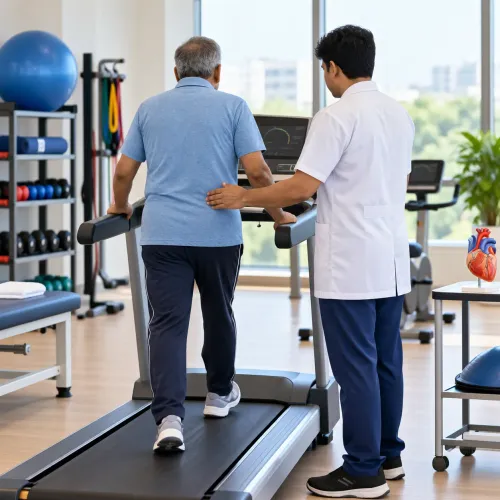
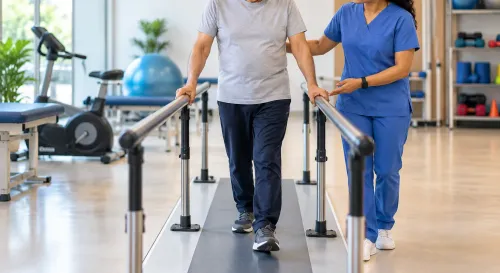
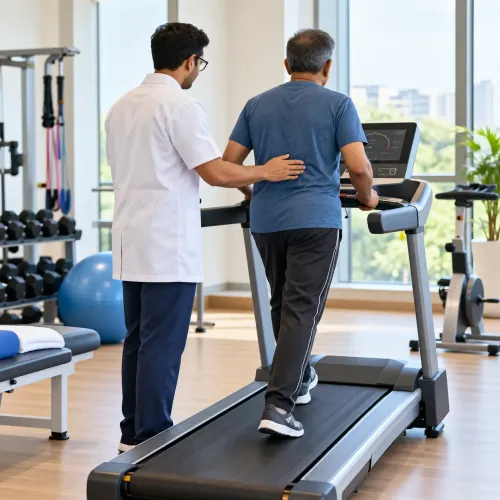
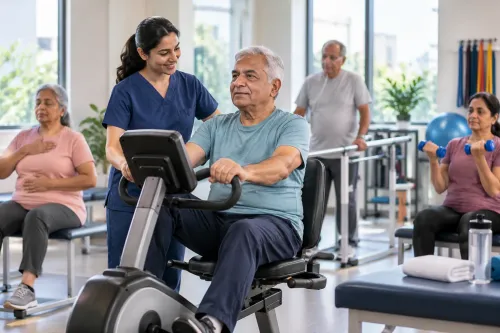
A staged plan may begin with basic mobility and light daily activities before progressing to longer walking sessions, strengthening exercises, respiratory exercises, and more structured rehabilitation.
At HealNext Clinic, patients recovering after critical illness can be assessed in the context of cardiorespiratory physiotherapy and medical rehabilitation needs.
Benefits and Potential Risks
Structured rehabilitation may support mobility, endurance, confidence, respiratory function, and return to daily activities.
The main concern is progressing activity faster than the patient's current medical condition allows. Excessive fatigue, dizziness, abnormal breathlessness, chest discomfort, unstable blood pressure, and oxygen desaturation may indicate that exercise intensity needs reassessment.
Care After Each Rehabilitation Session
Adequate rest, hydration when medically appropriate, prescribed medication, nutrition, and gradual activity progression are important.
Patients should pay attention to symptoms rather than trying to meet arbitrary exercise targets.
New chest pain, fainting, severe breathlessness, bluish discoloration, confusion, rapidly falling oxygen saturation, or sudden deterioration requires urgent assessment.
Frequently Asked Questions
How long does ICU recovery take?
There is no fixed timeline. Recovery can range from weeks to months depending on the illness and length of hospitalization.
Is weakness after ICU admission common?
Muscle weakness and reduced endurance can occur after prolonged critical illness and bed rest.
When can exercise restart?
This depends on medical stability, mobility, cardiovascular status, respiratory function, and the reason for ICU admission.
Care coordinated with an ICU Care Specialist can help turn post-ICU recovery into a measured process based on medical stability, functional progress, and individual rehabilitation needs.
Keywords