Persistent breathlessness after respiratory illness, hospitalization, surgery, or prolonged inactivity can make even routine tasks feel demanding. Pulmonary rehabilitation uses structured exercise, breathing strategies, education, and functional training to help suitable patients manage respiratory limitations more effectively.
For people in Balewadi, Pune, rehabilitation may be considered when breathlessness or reduced endurance continues to interfere with walking, household tasks, work, and everyday independence.
Who May Need Pulmonary Rehabilitation
Pulmonary rehabilitation may be useful for selected people living with chronic respiratory disease or recovering after serious illness.
A clinical assessment is important because breathlessness can have several causes, including respiratory disease, cardiac problems, anaemia, deconditioning, and other medical conditions.
The programme should therefore begin with an understanding of the underlying diagnosis.
What Happens During Assessment
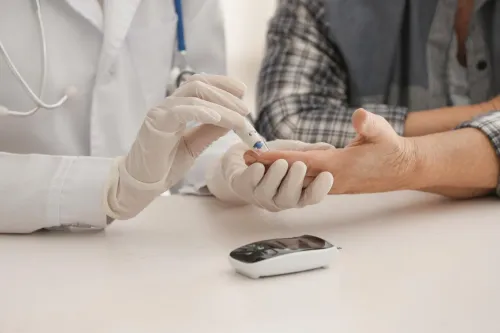
Initial evaluation may consider breathing pattern, symptoms, oxygen saturation, heart rate, blood pressure, mobility, muscle strength, and functional exercise capacity.
Current medicines and oxygen prescriptions should also be reviewed.
These measurements help determine the appropriate starting level.
What a Programme Can Include
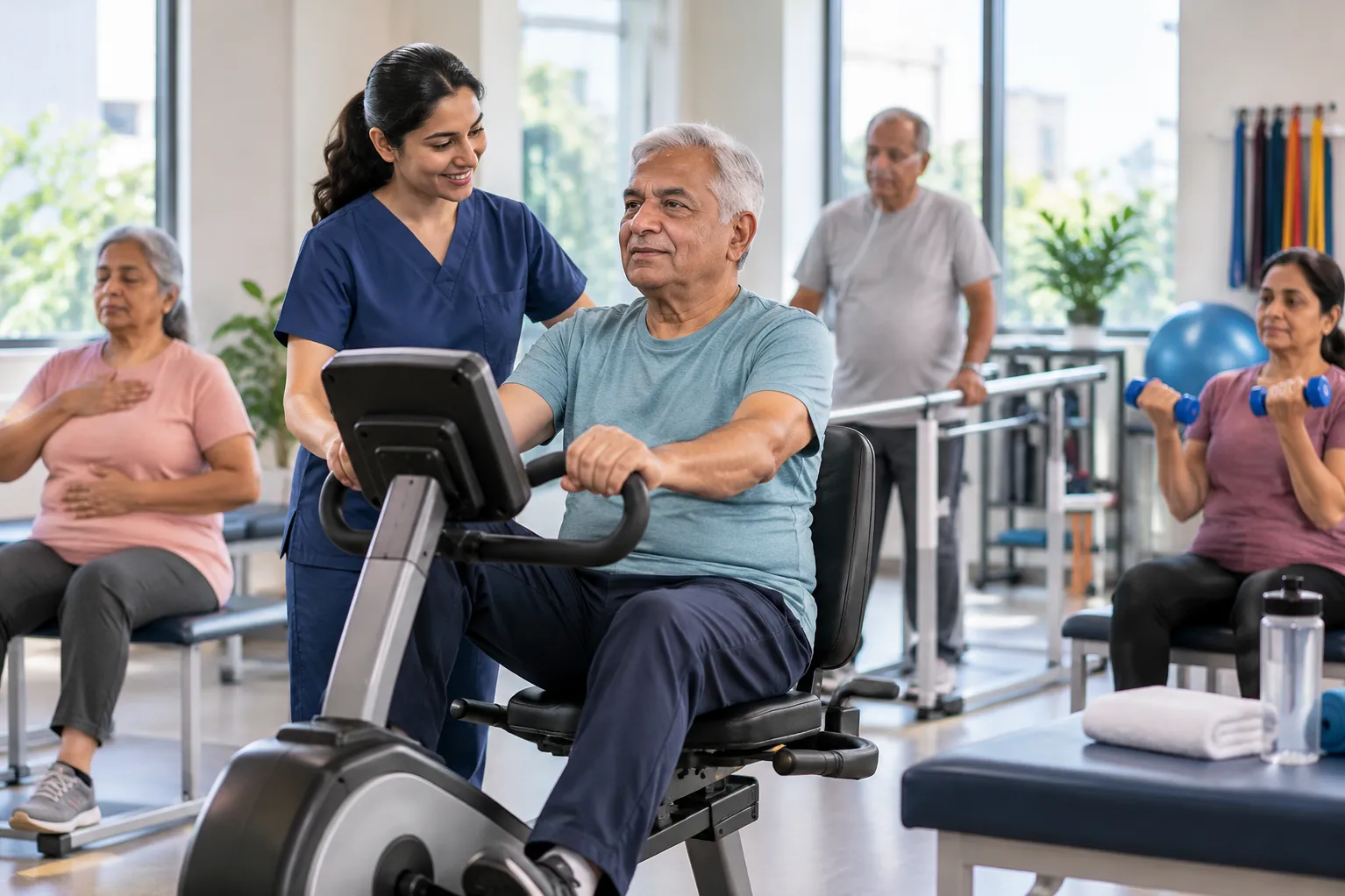
A Pulmonary rehabilitation programme may involve:
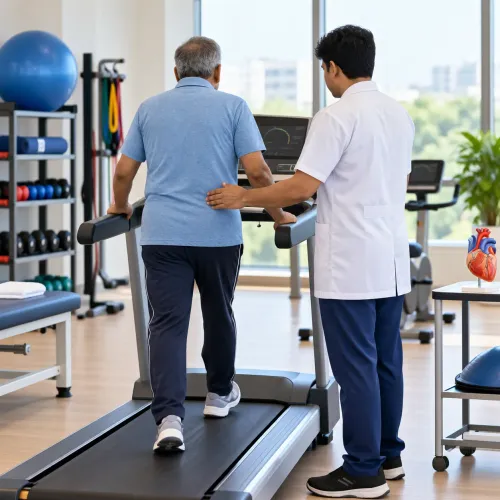
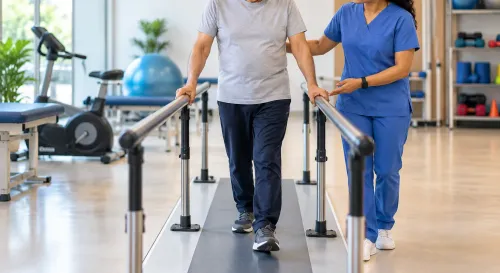
- Supervised walking
- Stationary cycling
- Strengthening exercises
- Breathing control techniques
- Mobility exercises
- Pacing strategies
- Energy conservation
- Education about symptom management
- Home activity planning
Progression depends on how the patient responds rather than following the same exercise prescription for everyone.
Recovery Time and Expected Progress
There is no single recovery timeline.
Some patients notice improved confidence with activity within several weeks, while others require longer programmes due to chronic lung disease, prolonged hospitalization, muscle weakness, or associated heart conditions.
Improvement may appear as being able to walk farther, complete daily tasks with fewer breaks, or tolerate exercise with better symptom control.
Benefits and Risks
Pulmonary rehabilitation may improve functional exercise capacity, reduce the impact of breathlessness on daily life, and support greater independence.
Exercise may temporarily increase breathing rate and fatigue. This expected response must be distinguished from warning signs such as severe breathlessness, chest pain, fainting, marked oxygen desaturation, or sudden deterioration.
At HealNext Clinic, cardiorespiratory physiotherapy can be planned according to the patient's medical condition and functional capacity.
Preparing for Each Session
Take prescribed respiratory medicines according to medical instructions and carry any inhaler that has been advised for use during activity.
Wear comfortable clothing and suitable footwear. Patients using prescribed oxygen should follow their clinician's instructions rather than changing oxygen flow independently.
Avoid beginning a demanding session when acutely unwell.
Care After Exercise
Allow adequate recovery and follow the hydration plan appropriate for your medical condition.
Notice how long it takes for breathing and fatigue to return toward baseline. Significant changes from the usual response should be discussed during follow-up.
Frequently Asked Questions
Does pulmonary rehabilitation cure lung disease?
It is a rehabilitation approach designed to improve function and symptom management. It does not eliminate every underlying respiratory condition.
Will oxygen be needed during exercise?
That depends on the patient's oxygen levels and medical prescription.
Can cardiac patients participate?
Some can, but cardiac status needs to be considered when exercise is planned.
Well-designed Pulmonary rehabilitation focuses on helping patients use their available respiratory capacity more effectively while rebuilding strength, endurance, and confidence in daily movement.
Keywords