
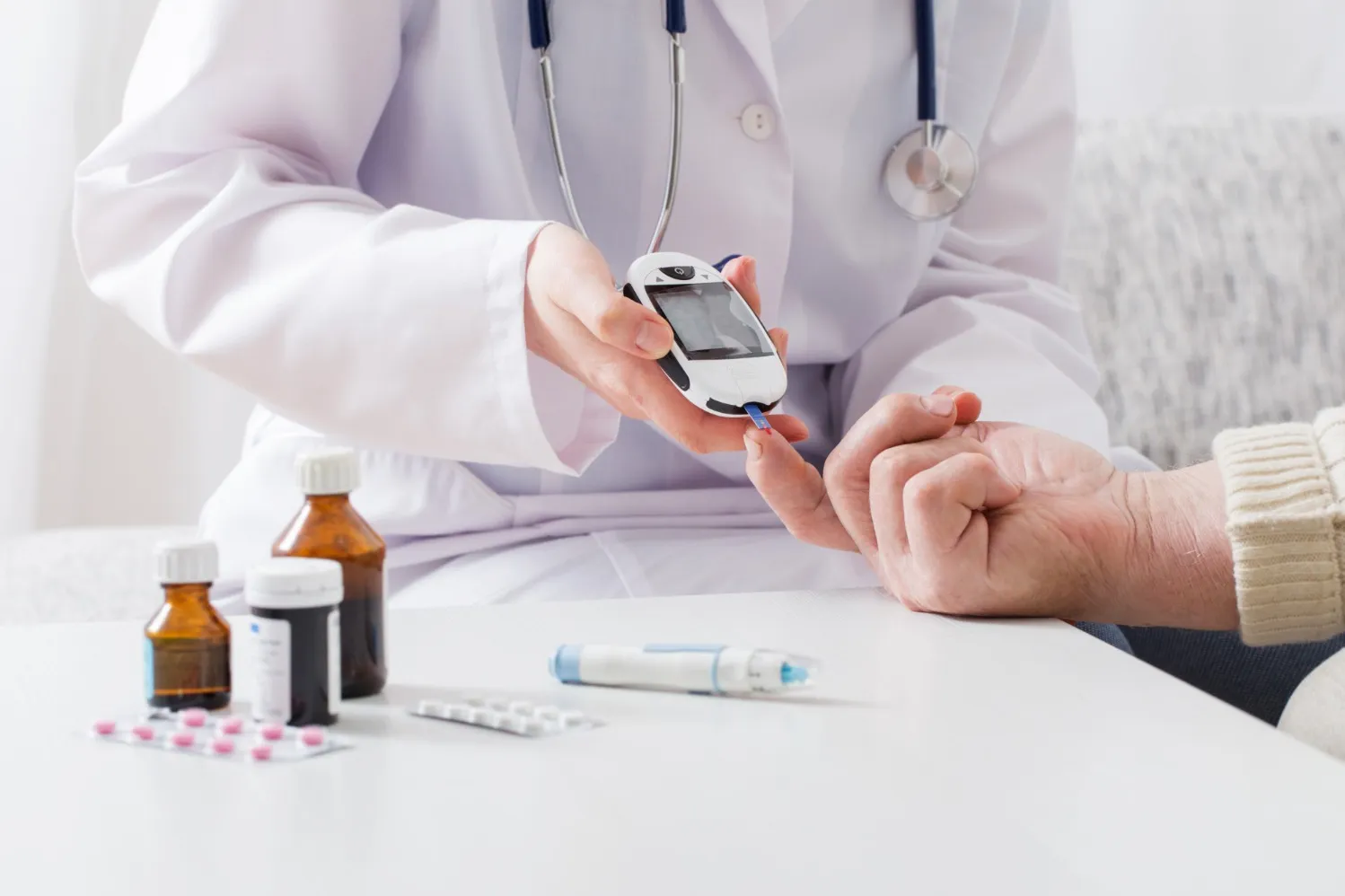
Diabetes and cardiovascular disease are closely connected, which makes coordinated management particularly important after a cardiac event. A physician and diabetologist can help patients understand how blood glucose, blood pressure, medicines, weight, and physical activity fit into a broader cardiovascular recovery plan.
This is especially relevant for patients in Pune, Maharashtra who are returning to activity after angioplasty, bypass surgery, cardiac hospitalization, or a prolonged period of inactivity.
Why Glucose Matters During Recovery
Physical activity changes how the body uses glucose. Meals, medication timing, illness, stress, and exercise intensity can all affect blood sugar.
Someone starting rehabilitation may therefore notice glucose patterns that differ from those seen during a sedentary period.
This does not mean exercise should be avoided. Instead, diabetes management and rehabilitation need to be coordinated.
Assessment Before Exercise Progression
Before increasing physical activity, the clinician may review glucose control, medication, blood pressure, cardiac history, kidney function, symptoms, and recent treatment.
Patients using insulin or medicines associated with hypoglycaemia may need specific guidance about glucose monitoring around exercise.
A rehabilitation professional may also assess functional capacity and exercise response.
Building a Practical Routine
A safe routine usually progresses gradually.
Depending on medical status, the plan may include walking, stationary cycling, mobility exercises, resistance training, breathing exercises, and lifestyle changes.
The goal is not to complete the hardest possible workout. The aim is to build sustainable activity that matches cardiovascular and metabolic health.
At HealNext Clinic, patients with diabetes who also need cardiac rehabilitation can receive care that considers both chronic disease management and exercise readiness.
Potential Benefits
Appropriately prescribed physical activity can support cardiovascular fitness, functional capacity, weight management, and glucose management.
Exercise can also help patients rebuild confidence after a cardiac event.
The response differs among individuals, which is why progression should be based on medical history and actual exercise tolerance.
Risks That Need Attention
Exercise can sometimes contribute to hypoglycaemia, particularly in people using insulin and certain glucose-lowering medicines.
Dehydration, foot problems, unstable glucose levels, cardiovascular symptoms, and excessive exercise intensity may also create difficulties.
Patients should know which symptoms require stopping activity and seeking assessment.
Chest discomfort, fainting, marked breathlessness, unusual palpitations, confusion, or severe weakness should not be treated as normal exercise fatigue.
Before and After Exercise
Before exercise, follow the glucose-monitoring plan recommended by the treating clinician, wear appropriate footwear, and ensure the planned intensity is suitable.
After activity, pay attention to delayed symptoms and glucose changes when relevant.
Continue prescribed medicines unless the treating doctor specifically changes them.
Frequently Asked Questions
Can people with diabetes join cardiac rehabilitation?
Many can, provided the rehabilitation plan accounts for their cardiac condition, glucose control, medicines, and other complications.
Can exercise replace diabetes medicine?
Exercise is an important part of management but should not be treated as an automatic substitute for prescribed medication.
How quickly should exercise increase?
Progress depends on cardiovascular status, glucose response, fitness, symptoms, and recovery stage.
Working with a physician and diabetologist can help make rehabilitation more coherent by connecting diabetes management with cardiovascular risk reduction and appropriately planned physical activity.
Keywords