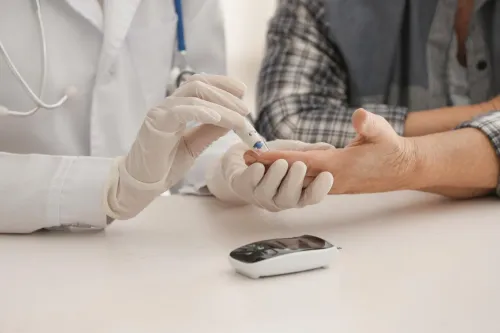

High blood pressure is often discovered during a routine health check because it may cause no obvious symptoms. Once identified, however, it should not be treated as a single isolated reading. A Hypertension Specialist evaluates blood pressure patterns alongside lifestyle, medicines, associated conditions, and overall cardiovascular risk.
For adults in Baner, specialist review may be useful when readings remain above the recommended range despite ongoing management or when blood pressure behaves unpredictably.
One High Reading Does Not Tell the Whole Story
Blood pressure can temporarily change because of stress, physical activity, pain, caffeine, poor sleep, or illness.
That is why clinicians often consider multiple readings rather than relying on one measurement. Home blood pressure records may also be useful when taken with a suitable device and correct technique.
Repeated readings provide a clearer picture of the patient's usual blood pressure pattern.
When Does Hypertension Need Closer Evaluation?
Several situations may justify a more detailed medical review.
These include:
- Persistently elevated readings despite treatment
- Significant variation between readings
- Multiple blood pressure medicines
- Possible medication side effects
- Hypertension at a relatively young age
- Associated kidney, endocrine, cardiac, or metabolic conditions
- Difficulty achieving consistent control
- High overall cardiovascular risk
The doctor may review whether additional investigations are appropriate based on the patient's history and clinical findings.
Medication Is Only One Part of Management
Antihypertensive medicines are important for many patients, but long-term management can also involve modifiable lifestyle factors.
Physical activity, dietary patterns, weight management, tobacco avoidance, sleep, and other cardiovascular risk factors may all be relevant.
These changes should be realistic and appropriate for the person's medical condition. Someone with established heart disease or limited exercise tolerance may require more structured guidance than an otherwise healthy adult.
Check Your Measurement Technique
Incorrect technique can produce misleading home readings.
Before measuring blood pressure, follow the instructions provided with the validated monitor and any guidance from your healthcare professional. The cuff needs to be suitable for the user, and readings should ideally be recorded consistently.
Bring the log to medical appointments rather than changing medication independently based on individual readings.
Hypertension and Exercise Need Thoughtful Planning
Regular physical activity is generally an important component of cardiovascular health, but the starting point differs between individuals.
People who have been inactive for a long period, have poorly controlled blood pressure, or have additional cardiac conditions should discuss suitable activity with a healthcare professional.
HealNext Clinic integrates physician assessment with preventive cardiac rehabilitation, which can be useful for appropriately selected patients who need both cardiovascular risk management and structured physical conditioning.
This combination can help ensure that exercise recommendations reflect the person's medical history rather than being based solely on general fitness advice.
Know When Urgent Care Is Different
Routine hypertension management should not be confused with emergency assessment.
A severely abnormal blood pressure reading accompanied by concerning symptoms such as chest pain, major breathing difficulty, neurological symptoms, fainting, or severe acute illness needs prompt medical attention.
A Hypertension Specialist is valuable for ongoing evaluation and management, but emergency symptoms require the appropriate urgent healthcare setting.
Blood pressure management is most effective when patients understand their readings, take prescribed medicines consistently, attend follow-up appointments, and address relevant cardiovascular risks. Rather than chasing individual numbers, the goal is sustained, medically appropriate control as part of protecting long-term heart, brain, kidney, and vascular health.
Keywords