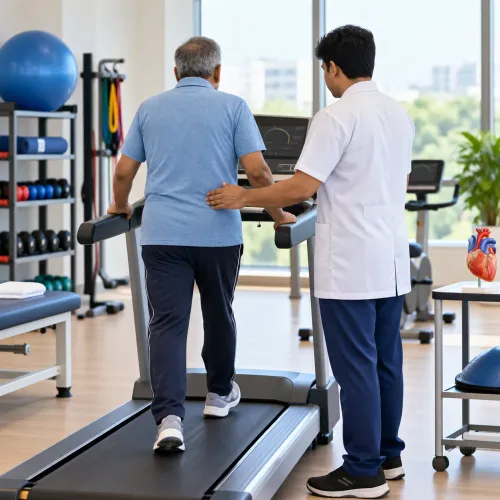

Recovering from a serious illness often continues long after leaving the hospital. Patients who have experienced severe infections, respiratory failure, major surgery, cardiac emergencies, or prolonged intensive care frequently require close medical monitoring during recovery. An Intensivist plays an important role in guiding patients through this critical phase.
Their expertise helps identify ongoing medical concerns, reduce complications, and support a smoother return to everyday life.
Who Is an Intensivist?
An intensivist is a physician specially trained to care for critically ill patients. They manage complex medical conditions involving multiple organs and work closely with other specialists during and after intensive care treatment.
Their role often extends beyond the ICU by helping patients recover safely after discharge.
Patients Who May Benefit from Follow-Up Care
Medical review by an intensivist may be recommended after:
- Severe pneumonia
- Respiratory failure
- Sepsis
- Heart attack
- Major surgery
- Mechanical ventilation
- Multi-organ illness
- Complicated infections
- Extended ICU admission
These patients often require careful monitoring even after they begin feeling better.
Common Challenges After Critical Illness
Recovery may involve:
- Persistent weakness
- Difficulty breathing
- Reduced physical endurance
- Poor appetite
- Sleep disturbances
- Muscle loss
- Emotional stress
- Difficulty returning to normal activities
Early rehabilitation and medical supervision help address these challenges effectively.
How an Intensivist Supports Recovery
Follow-up care generally includes:
Comprehensive Health Assessment
The physician reviews recovery progress, medications, organ function, and any ongoing symptoms.
Coordination with Rehabilitation Services
Patients recovering from severe illness often benefit from physiotherapy, pulmonary rehabilitation, nutritional guidance, and supervised exercise programs.
Medication Optimisation
Treatment plans are reviewed regularly to ensure medications remain appropriate as recovery progresses.
Prevention of Complications
Regular monitoring helps detect infections, blood pressure changes, respiratory issues, or other complications before they become serious.
Supporting Long-Term Recovery
Recovery after critical illness requires patience and gradual progress.
Patients are encouraged to:
- Attend scheduled follow-up appointments
- Participate in rehabilitation programs
- Eat a balanced diet
- Stay physically active within medical advice
- Monitor symptoms carefully
- Communicate any new concerns promptly
These measures contribute to safer recovery and improved long-term health.
Comprehensive Care After Hospital Discharge
Leaving the hospital is only one milestone in the recovery journey. Continued medical supervision ensures patients regain strength while reducing the likelihood of future complications.
For residents of Baner, coordinated post-critical illness care supports safer recovery and greater confidence. HealNext Clinic provides integrated medical care, rehabilitation services, and personalised follow-up for patients recovering from serious illnesses, helping them rebuild their health with expert guidance and ongoing support.
Keywords