Recovery after coronary artery bypass surgery continues well beyond hospital discharge. Healing from surgery, rebuilding physical capacity, adjusting to medicines, and regaining confidence in everyday movement can all take time. A structured Post bypass rehabilitation centre can help suitable patients progress through this period under professional guidance.
For families in Balewadi, understanding what a cardiac rehabilitation programme should provide makes it easier to evaluate post-surgery care.
Assessment Should Come Before Exercise
The first priority is understanding the patient's current medical and functional status.
The rehabilitation team may review the discharge summary, surgeon or cardiologist recommendations, medications, associated conditions, current symptoms, mobility, and activity tolerance.
Recent surgery also means that exercise planning must take healing and surgical precautions into account.
A rehabilitation programme should therefore begin with assessment rather than immediately introducing a standard workout routine.
Look for Individualised Exercise Progression
Post-bypass patients can differ significantly in age, fitness, surgical recovery, cardiac function, and associated medical conditions.
A well-planned programme should adjust activity to the individual.
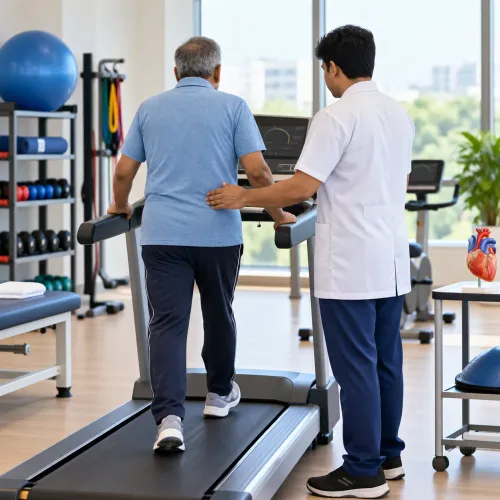
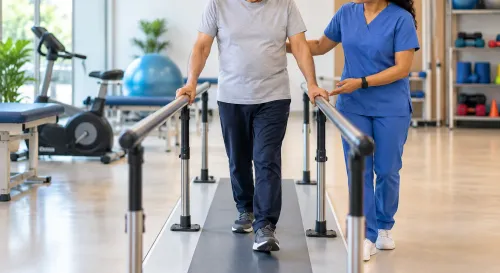
Depending on recovery stage and medical advice, rehabilitation may involve walking, mobility exercises, breathing exercises, progressive aerobic conditioning, and appropriate strengthening.
Progression should be based on tolerance and clinical considerations rather than pressure to achieve rapid results.
Monitoring Adds an Important Safety Layer
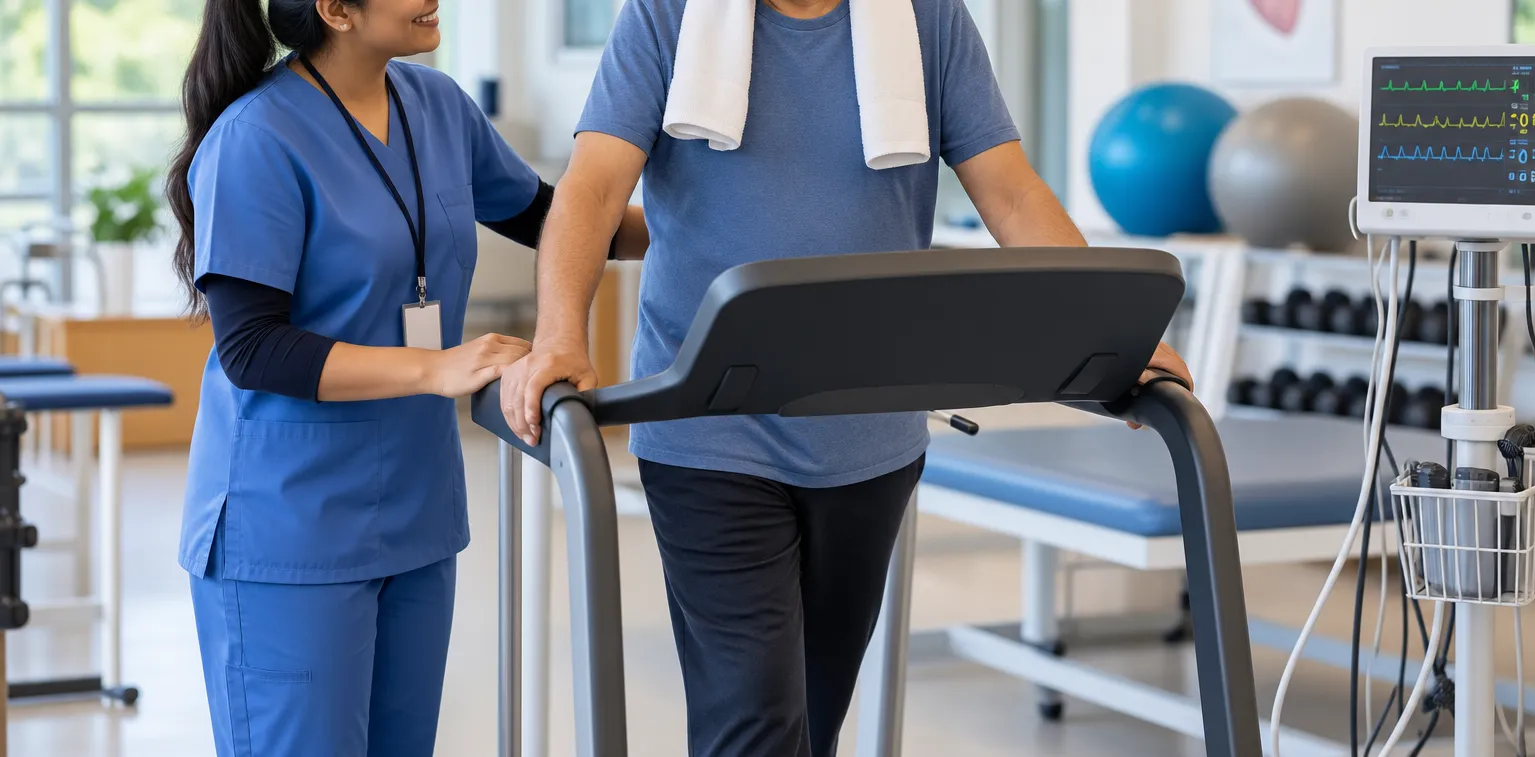
Cardiac rehabilitation may involve monitoring selected clinical parameters according to individual need.
Healthcare professionals should also ask about symptoms such as chest discomfort, unusual breathlessness, dizziness, palpitations, excessive fatigue, or swelling.
Patients should know which symptoms can occur during gradual recovery and which require medical review.
This education can reduce unnecessary fear while ensuring that potentially important changes are not ignored.
Rehabilitation Should Address More Than Physical Fitness
Bypass surgery treats significant coronary artery disease, but long-term cardiovascular care continues after the operation.
A comprehensive recovery plan may also consider:
- Blood pressure management
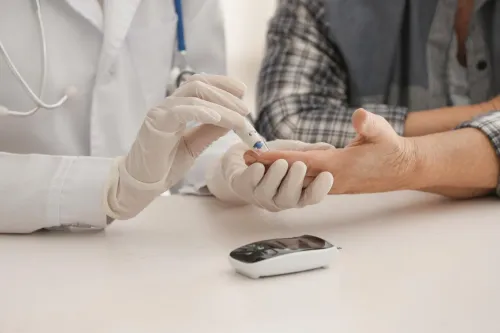
- Diabetes control
- Cholesterol management
- Tobacco cessation
- Healthy dietary habits
- Medication adherence
- Sleep and stress
- Long-term physical activity
Rehabilitation works best when it complements, rather than replaces, ongoing cardiology and physician care.
Ask About the Return to Daily Activities
Many patients have practical questions after surgery. They want to know when they can increase walking, resume household tasks, return to work, travel, or become more physically active.
The answers depend on individual recovery and recommendations from the treating cardiac team.
A Post bypass rehabilitation centre should help patients translate medical restrictions and recovery goals into a gradual functional plan.
Communication With the Medical Team Matters
If new symptoms appear or progress is slower than expected, the rehabilitation provider should recognise when medical reassessment is necessary.
HealNext Clinic offers cardiac rehabilitation supported by physicians and cardiorespiratory care for suitable post-surgical patients. This approach can help connect physical recovery with broader cardiovascular management.
Patients should still maintain scheduled follow-up with their cardiac surgeon and cardiologist.
Choose Structure Rather Than Speed
Cardiac recovery should not become a race to return to previous activity levels.
The better question is whether each stage of activity is appropriate for the patient's current recovery.
When selecting a Post bypass rehabilitation centre, look for initial assessment, personalised exercise planning, symptom monitoring, patient education, and coordination with medical care.
A carefully progressed programme can support functional recovery while helping patients develop the routines needed for long-term cardiovascular health. The objective is not simply to complete a rehabilitation course, but to build a safe transition from post-surgical recovery toward sustainable everyday activity.
Keywords