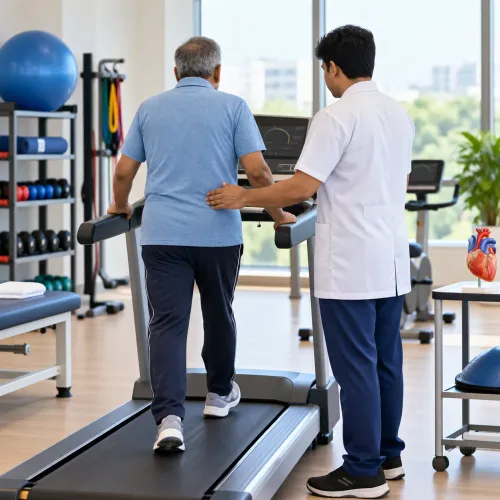

Physiotherapy needs vary greatly. Someone recovering from a sports injury may require a very different programme from a patient rebuilding stamina after cardiac surgery, angioplasty, respiratory illness, or an intensive care admission. When searching for the Best physiotherapy centre, the most important question is therefore whether the centre has expertise relevant to your specific condition.
For patients in Baner, this distinction is especially important when physiotherapy involves the heart, lungs, or recovery after significant medical treatment.
Check Whether the Expertise Matches Your Diagnosis
General musculoskeletal physiotherapy commonly focuses on pain, mobility, strength, and movement problems.
Cardiorespiratory physiotherapy requires additional consideration of breathing, exercise tolerance, cardiovascular status, fatigue, and medical history.
Before selecting a centre, ask whether it regularly manages patients with needs similar to yours.
Look for an Assessment Before Treatment
A responsible rehabilitation plan should begin with an assessment.
Depending on the patient's condition, this may include:
- Current symptoms
- Medical and surgical history
- Functional mobility
- Walking tolerance
- Breathing pattern
- Muscle strength
- Current medications
- Relevant hospital records
- Cardiac or respiratory precautions
Patients recovering after major procedures should also provide discharge instructions and specialist recommendations where available.
Ask How Exercise Is Progressed
Exercise progression should be based on the patient's condition and response.
A post-surgery patient may begin at a very different level from someone seeking preventive fitness support. Similarly, a person with chronic respiratory disease may need pacing and breathing strategies integrated into physical conditioning.
The Best physiotherapy centre for a medically complex patient should be able to explain why particular exercises are being used and how progression will be decided.
Consider Clinical Monitoring
Monitoring requirements depend on the patient and type of rehabilitation.
For cardiac and respiratory patients, professionals may need to pay attention to symptoms and selected physiological responses during activity. The rehabilitation team should also recognise warning signs that require exercise to stop or medical assessment to be arranged.
This is one reason medically supervised rehabilitation differs from a conventional fitness programme.
Communication Is Part of Quality Care
Patients should feel comfortable asking what the rehabilitation goals are and how improvement will be measured.
Progress may not always mean being able to perform harder exercises. It could involve walking farther, completing daily activities with less difficulty, using better breathing strategies, or gradually returning to normal routines.
Clear explanations can also help family members understand what the patient should continue at home.
Integrated Care Can Be Useful
Cardiac and respiratory recovery sometimes involves overlapping needs.
A person may need physician review for blood pressure or medicines while also requiring rehabilitation for reduced exercise tolerance. Coordinating these aspects can simplify care and help the rehabilitation plan reflect current medical needs.
HealNext Clinic focuses on cardiac rehabilitation, cardiorespiratory physiotherapy, and preventive healthcare for appropriate patients. Its clinical focus makes it particularly relevant to people seeking rehabilitation after heart or respiratory conditions rather than routine fitness training.
Choose According to Your Recovery Needs
There is no universal Best physiotherapy centre for every patient. A suitable provider is one whose clinical expertise, assessment process, rehabilitation approach, and monitoring capabilities match the condition being treated.
Before beginning, ask about the therapist's experience with your condition, what records to bring, how goals will be established, and how progress will be reviewed.
For cardiac and respiratory patients, specialised rehabilitation can be an important bridge between medical treatment and returning to everyday activity. Choosing based on relevant expertise rather than convenience alone can make that rehabilitation journey more structured and appropriate.
Keywords